
.png?width=80&name=snarky_a_headshot_photo_of_a_young_professional_women_of_mixed__96c1173b-7f6b-4fc0-8cfc-2d7d14c1328b(1).png)
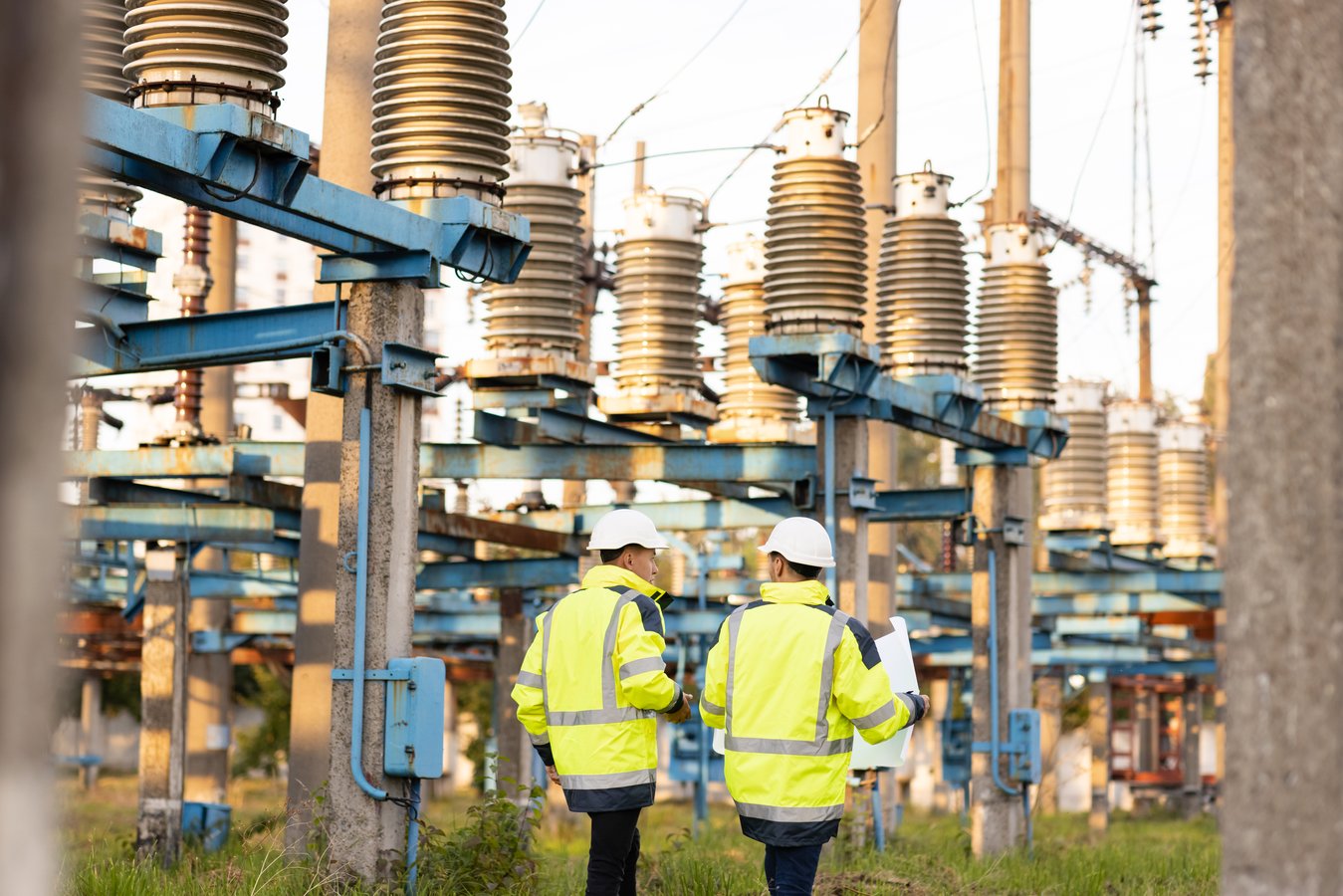
If your transformer gets stolen, when does the next one arrive?
For most construction projects, that question has a clear answer. For a substation build, it doesn't. Standard power transformers currently average 128 weeks for delivery. Generator step-up units run 144 weeks.
This is what makes energy infrastructure projects different from other jobsites. On a commercial project, a stolen generator is expensive. On a substation build, a stolen or vandalized transformer isn't a procurement problem — it can be a full stop.
Power projects are target sites for copper and metal theft
Energy infrastructure is where copper concentrates at scale. Common equipment like switchgear and control cables are all copper-intensive.
Copper futures surged past $5.60 per pound in mid-2025, a record high driven by global supply constraints and tariff pressures. Metal theft across industries surged 77% in 2025.
Additionally, on solar sites, copper string cable is the most common target — thieves pull cables across entire rows, immediately disabling generation. Inverters (ranging widely from $500 to $5,000 each) are removed from their mounts. Aluminum racking gets stripped for scrap. Combiner boxes are hit for their copper and breaker components. Battery storage systems and switchgear carry the same profile: high value, long procurement lead times, and significant collateral damage when disturbed.
The law is responding — but enforcement requires documentation
The scale and pattern of these losses has pushed lawmakers to act. Under Title 18 US Code Section 1366, damaging an energy facility carries penalties up to 20 years, and planning an attack is enough for charges without a completed act. California's 2024 Proposition 36 allows repeat theft offenders to be charged with felonies rather than misdemeanors. Texas’ 2025 law made copper theft a third-degree felony – a direct response to one company facing 20 weekly incidents in 2024 and a 60% jump in statewide copper thefts from 2022 - 2024.
Stronger penalties change the sentencing calculation. They don't recover equipment that's already gone. Judicial retribution requires documentation: timestamped footage showing who was on site, when equipment arrived, and what conditions looked like at each phase. Without it, a police report is a description. With it, it's evidence.
What effective risk reduction looks like on these projects
The data on deterrence is consistent across regions. Australia's adoption of CCTV led to a 50% drop in construction site thefts. Fencing cuts theft by 60% on California sites. Lighting reduced incidents 35% in Texas. AI cameras detect 80% of intruder attempts in Illinois. No single measure eliminates the risk, but layered, visible security changes the calculation for organized crews, who move to softer targets.
All of this is playing out across a project portfolio growing faster than the industry can staff it. Investor-owned utilities have increased capital spending plans by more than 20% to at least $1.4 trillion through 2030, driven by data center demand, grid hardening, and aging infrastructure replacement. That translates to dozens — sometimes hundreds — of active construction sites across distributed service territories simultaneously.
The answer is robust site security.
But the strategy comes down to how you enact your defense.
Construction security cameras create an opportunity for a layered defense system. Effective camera coverage requires the right blend of planning, hardware, monitoring, and support — and that starts with understanding the specific conditions of each site.
Practical takeaways for robust security on at-risk construction sites
As the site changes, so will the level of security needed on the jobsite. Before determining the camera hardware you need, or even the provider, follow this risk assessment checklist:
- Review insurance policy requirements to understand the baseline of what’s required on site.
- Ask your risk broker, underwriter or insurance agent for recommended hardware providers.
- Assess your site plan to define security zones.
- Understand the level of forensic evidence needed (review DORI standards)
- Explore how to create a layered defense system
OxBlue’s site security experts can provide professional support to ensure your security plan covers blind spots and liabilities. Meet with our team to see how we can support your jobsite needs.