

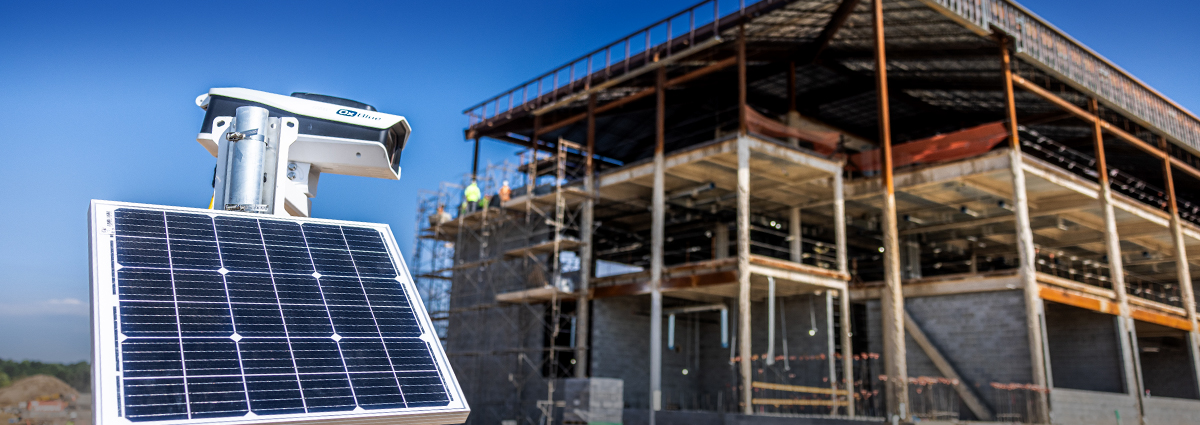
The demand for solar-powered construction cameras has grown quickly as teams look for flexible, sustainable ways to monitor projects. With more providers entering the market, many solutions promise similar features — wireless setup, renewable power, and remote visibility.
On paper, the options can look nearly identical.
In reality, performance varies widely.
When you move beyond spec sheets and evaluate how these systems perform in real-world construction conditions — and who stands behind them — the differences become significant.
Here’s what separates purpose-built solar camera solutions from basic deployments — and why that distinction matters to your project.
Built for Construction, Not Just Adapted for It
Many solar cameras on the market adapt consumer or general commercial technology for construction environments. These systems often perform well under ideal conditions but can struggle in the unpredictable realities of a jobsite.
OxBlue's solar systems are engineered specifically for the demands of active construction environments. Our solar panels and battery systems are selected and sized for actual construction site use cases, not consumer or general commercial applications repurposed for the job.
OxBlue’s solar systems are engineered specifically for active construction environments. Solar panels and battery systems are selected and sized based on real-world jobsite demands, not repurposed consumer applications.
That difference shows up where it matters most: uptime and reliability.
The Reality of Solar Reliability
All solar-powered systems face weather-related challenges. Industry benchmarks reflect this:
- Standard solar construction cameras typically maintain 90–95% uptime in optimal conditions
- During extended cloudy periods or winter months, uptime can drop to 70–80% without advanced power management
- Basic battery systems may last only 2–4 days without sufficient sunlight
- Higher-density systems can remain operational for up to 10 days of overcast weather
Without proactive oversight or properly sized power reserves, it’s common to see a 15–30% reduction in uptime during challenging weather cycles.
This is where many providers stop — they install the system and rely on favorable conditions.
That approach transfers risk back to the customer.
OxBlue’s solar solution includes a 5-day battery backup, designed specifically to buffer against unpredictable weather patterns common to long-term construction projects.
But hardware alone isn’t the full story.
The Managed Power Advantage
The most significant difference isn’t just panel size or battery capacity — it’s management.
The vast majority of solar camera providers deploy hardware and consider their job done. They respond reactively when you report a problem.
OxBlue has a dedicated team that actively manages the power health of our solar deployments. We're not waiting for you to notice that your camera is down. We're monitoring battery levels, solar input rates, and system performance in real time. When our systems indicate that a deployment is at risk due to weather or environmental conditions, we act before the problem becomes an outage.
No other provider in the construction camera space offers this level of proactive, personally-managed power oversight at scale. With OxBlue, there are real people watching.
The Bottom Line
Price is only part of the equation.
The real value of a solar construction camera solution becomes clear when you consider what matters most:
- Consistent uptime
- Proactive power management
- High-quality, reliable imagery
- A partner accountable for performance
Construction projects move quickly, and delays are expensive. Visibility gaps caused by preventable outages create unnecessary risk.
A solar camera solution shouldn’t simply hope for sunshine.
Choose a partner who actively manages performance — not one who installs hardware and leaves the risk with you.